
Meta Title
Best Family Cars 2026: Top Family Vehicles for Safety, Space, and Value
Meta Description
Discover the best family cars for every budget. Compare SUVs, sedans, minivans, and hybrid vehicles based on safety, space, fuel economy, and reliability.
URL Slug
best-family-cars
Table of Contents
- Introduction
- What Makes a Good Family Car?
- Best Family Sedans
- Best Family SUVs
- Best Family Minivans
- Best Hybrid Family Cars
- Best Electric Family Cars
- Factors to Consider Before Buying
- Frequently Asked Questions
- Conclusion
Best Family Cars
Choosing a family car involves more than selecting a vehicle with enough seats. Families need a car that provides safety, comfort, cargo space, fuel economy, and low ownership costs. Whether you drive to work, take children to school, or travel on long road trips, the right family car can make daily transportation easier.
Today’s market offers many options, including sedans, SUVs, minivans, hybrids, and electric vehicles. Each category serves different family needs. Some buyers prioritize passenger space, while others focus on fuel savings or advanced safety technology. This guide highlights some of the best family cars and explains what to consider before making a purchase.
What Makes a Good Family Car?
A family vehicle should provide enough seating for every passenger while leaving space for luggage, groceries, sports equipment, or strollers. Safety features are also an important part of the decision.
Modern family cars often include:
- Automatic emergency braking
- Lane departure warning
- Blind spot monitoring
- Rear cross-traffic alert
- Adaptive cruise control
- Rearview camera
- Parking sensors
- Multiple airbags
Fuel economy also matters because families usually drive more miles than individual commuters. Choosing a vehicle with lower fuel consumption can reduce long-term expenses.
Reliability is another important factor. A dependable car helps reduce repair costs and unexpected breakdowns.
Best Family Sedans
Sedans remain a practical choice for families who want comfort, fuel efficiency, and lower maintenance costs.
Toyota Camry
The Toyota Camry offers spacious seating, a comfortable cabin, and strong fuel economy. It includes modern safety technology and provides enough trunk space for luggage, groceries, and family essentials. The Camry is known for its long service life and dependable performance.
Honda Accord
The Honda Accord provides generous rear-seat space and a large trunk. It includes modern infotainment features, driver assistance systems, and comfortable seating for daily commuting and weekend travel.
Hyundai Sonata
The Hyundai Sonata combines fuel efficiency with a spacious interior. It includes touchscreen technology, smartphone connectivity, and several standard safety systems that support family driving.
Best Family SUVs
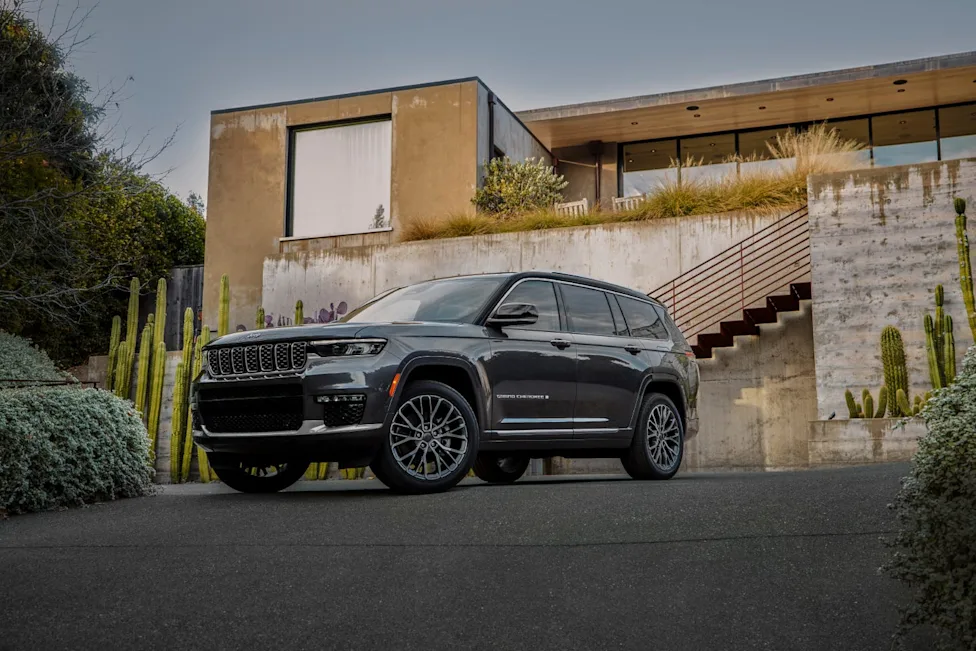
SUVs continue to grow in popularity because they provide higher seating positions, larger cargo areas, and flexible passenger space.
Toyota RAV4
The Toyota RAV4 offers seating for five passengers and a practical cargo area. It delivers good fuel economy and includes several safety technologies. Families who need extra storage often choose this model.
Honda CR-V
The Honda CR-V provides a spacious interior and comfortable seating for long trips. Folding rear seats increase cargo capacity, making it easier to carry sports equipment, luggage, or shopping bags.
Mazda CX-5
The Mazda CX-5 delivers responsive handling while maintaining passenger comfort. It includes a quiet cabin, quality materials, and useful driver assistance features.
Best Family Minivans
Minivans remain one of the most practical choices for larger families.
Toyota Sienna
The Toyota Sienna offers seating for up to eight passengers along with sliding doors that simplify entry and exit. The large cargo area supports family vacations, grocery shopping, and daily activities. Hybrid technology also helps reduce fuel consumption.
Honda Odyssey
The Honda Odyssey provides flexible seating arrangements and multiple storage compartments. Rear entertainment options and passenger comfort make it suitable for long-distance travel.
Kia Carnival
The Kia Carnival combines minivan practicality with SUV-inspired styling. It offers generous passenger space, modern technology, and multiple seating configurations for growing families.
Best Hybrid Family Cars
Hybrid vehicles help reduce fuel expenses without changing daily driving habits.
Toyota Prius
The Toyota Prius remains one of the most fuel-efficient family cars available. It offers seating for five passengers and practical cargo space for daily use.
Toyota Highlander Hybrid
The Toyota Highlander Hybrid combines three-row seating with hybrid efficiency. Families needing additional passenger space often consider this SUV.
Hyundai Tucson Hybrid
The Hyundai Tucson Hybrid offers a comfortable ride, practical cargo capacity, and fuel savings. It suits families looking for an efficient compact SUV.
Best Electric Family Cars
Electric vehicles continue to gain popularity because of lower operating costs and reduced fuel expenses.
Tesla Model Y
The Tesla Model Y provides passenger space, cargo flexibility, and access to an extensive charging network. Its large interior makes it suitable for families.
Hyundai Ioniq 5
The Hyundai Ioniq 5 offers modern technology, comfortable seating, and competitive driving range. Fast charging supports longer trips with reduced charging time.
Kia EV9
The Kia EV9 offers three-row seating and substantial cargo space. Families looking for an electric SUV with additional passenger capacity may find this model suitable.
Factors to Consider Before Buying
Safety Ratings
Review crash test results and available driver assistance systems before making a purchase. A vehicle with higher safety ratings provides additional confidence during daily driving.
Passenger Space
Choose a vehicle that comfortably accommodates your family. Larger households may benefit from three-row SUVs or minivans.
Cargo Capacity
Consider how much storage space you need for luggage, groceries, sports equipment, or baby gear. Foldable rear seats increase flexibility.
Fuel Economy
Fuel-efficient vehicles reduce running costs over time. Hybrid and electric models may provide additional savings depending on your driving habits.
Maintenance Costs
Research maintenance schedules and replacement part availability. Vehicles with lower service costs can reduce long-term ownership expenses.
Technology Features
Many family vehicles include touchscreen displays, smartphone integration, USB charging ports, navigation systems, and wireless connectivity. These features improve convenience during everyday driving.
Tips for Buying a Family Car
- Set a realistic budget before shopping.
- Compare multiple vehicle models.
- Test drive every vehicle you consider.
- Review safety ratings.
- Check fuel economy.
- Compare maintenance costs.
- Examine warranty coverage.
- Inspect cargo space.
- Consider future family needs.
- Review resale value before making a final decision.
Frequently Asked Questions
Which family car offers the most space?
Minivans such as the Toyota Sienna and Honda Odyssey provide the largest passenger and cargo capacity for growing families.
Are SUVs better than sedans for families?
SUVs offer higher seating positions and larger cargo areas, while sedans usually provide lower purchase prices and better fuel economy. The right choice depends on your family’s needs.
Are hybrid family cars worth buying?
Hybrid vehicles can reduce fuel expenses, especially for families that drive frequently. They also require fewer fuel stops compared to traditional gasoline vehicles.
What should I prioritize when buying a family car?
Safety, passenger space, cargo capacity, fuel economy, reliability, and maintenance costs should all be considered before making a purchase.
Conclusion
The best family car is one that matches your household size, driving habits, and budget. Sedans provide comfort and fuel efficiency for smaller families, while SUVs offer additional cargo space and flexibility. Minivans remain a practical option for larger households, and hybrid or electric vehicles help reduce operating costs. Comparing safety features, maintenance expenses, fuel economy, and passenger space will help you select a vehicle that supports your family’s daily transportation needs for years to come.